

Home inspections in Ottawa, Gatineau and the Outaouais regularly reveal conditions that are easy to overlook during a showing. Some are routine maintenance items, while others may affect moisture control, safety, comfort, durability or future repair costs.
A professional home inspection is visual and non-invasive. The purpose is not to predict every future failure or identify concealed conditions. The inspection evaluates visible and accessible systems, documents significant observations and helps buyers understand which items may require maintenance, repair or further evaluation.
The following are 10 conditions that we commonly encounter while inspecting residential properties across the region.
Quick Answer: What Problems Are Commonly Found During a Home Inspection?
Common findings include aging roofing, restricted roof drainage, foundation cracks, basement moisture, electrical alterations, plumbing leakage, attic insulation and ventilation concerns, heating and cooling issues, air leakage, poor exterior drainage and unsafe or deteriorated deck and stair components. The significance depends on the location, extent, age and surrounding conditions.
1. Roofing Deterioration and Roof Drainage
The roof protects the building from rain, snow, wind and seasonal weather. During an inspection, accessible roof coverings, flashings, penetrations, chimneys, gutters and downspouts are reviewed for visible deterioration, damage and drainage concerns.
Typical findings include worn asphalt shingles, damaged flashing, debris in gutters, loose components and downspouts that discharge too close to the foundation. These conditions do not always mean the roof has failed, but they can increase the likelihood of leakage or water being directed toward the building.
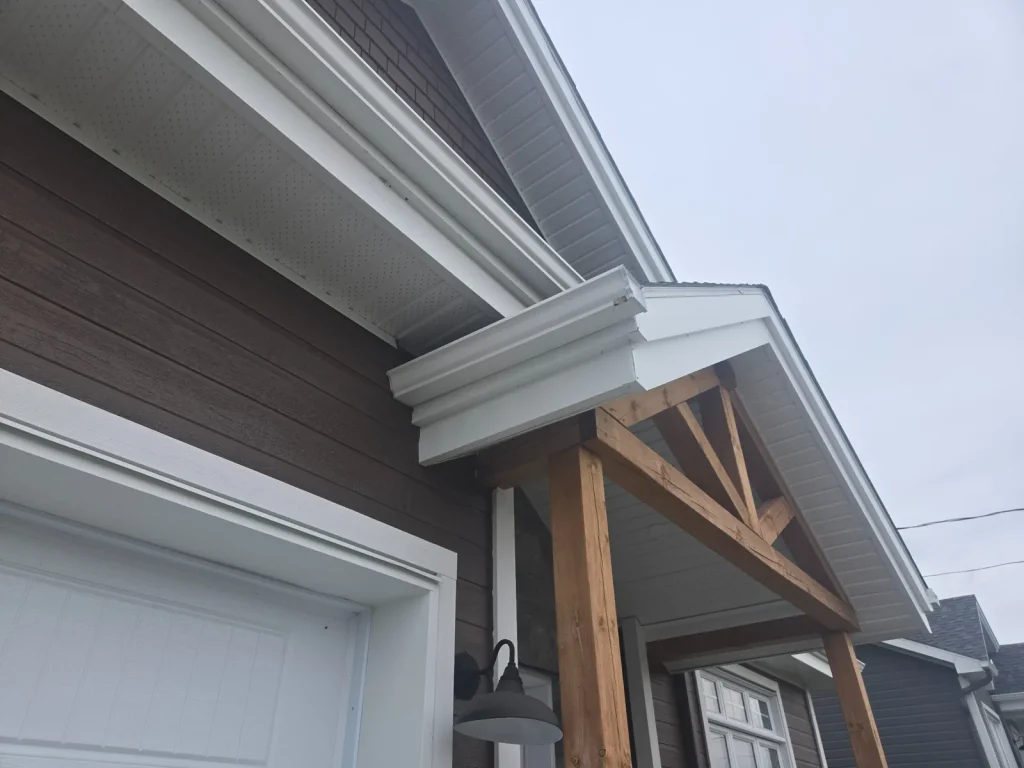
Field Example: Restricted Gutter Drainage
During recent inspections, we have documented leaves and organic debris restricting gutter flow. Regular cleaning and proper discharge away from the foundation help the roof drainage system move water away from the building.
2. Foundation Cracks and Visible Movement
Concrete foundations commonly develop cracks over time. The inspector considers visible crack location, direction, width, displacement, moisture staining and surrounding conditions rather than treating every crack as the same type of concern.
Some cracks may be consistent with normal shrinkage or minor movement. Others may justify monitoring, repair or evaluation by a qualified foundation or structural professional, particularly when displacement, repeated moisture entry or related movement is visible.
3. Basement Moisture and Water Intrusion
Basements and lower levels are especially important areas for moisture evaluation. Visible staining, efflorescence, deteriorated finishes, damp materials, musty odours or elevated moisture readings can indicate present or previous moisture conditions.
Possible contributing factors include exterior grading, roof drainage, foundation cracks, plumbing leakage, condensation and groundwater conditions. The inspection focuses on visible evidence and practical next steps rather than assuming a single cause without supporting evidence.
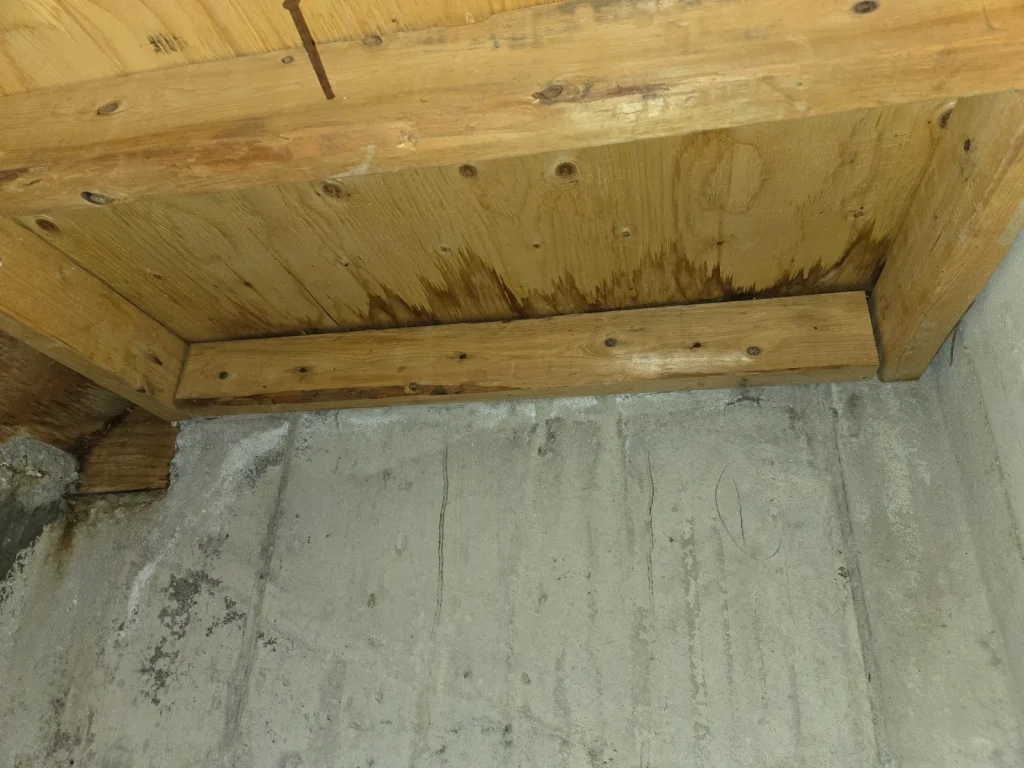
Field Example: Moisture Staining Near Foundation Framing
Visible moisture staining at foundation surfaces or adjacent wood framing deserves attention even when the area is dry at the time of inspection. The surrounding drainage, exterior conditions and accessible materials should be considered together.
4. Electrical Panel and Wiring Concerns
Accessible electrical equipment is visually reviewed for conditions such as deterioration, damaged components, loose or unusual wiring, improper openings, amateur alterations and other visible concerns that may affect safe operation.
Older homes may contain equipment from different periods, and renovated homes sometimes contain additions or modifications made over many years. When a condition is beyond the scope of a visual home inspection, further evaluation by a licensed electrical contractor may be appropriate.
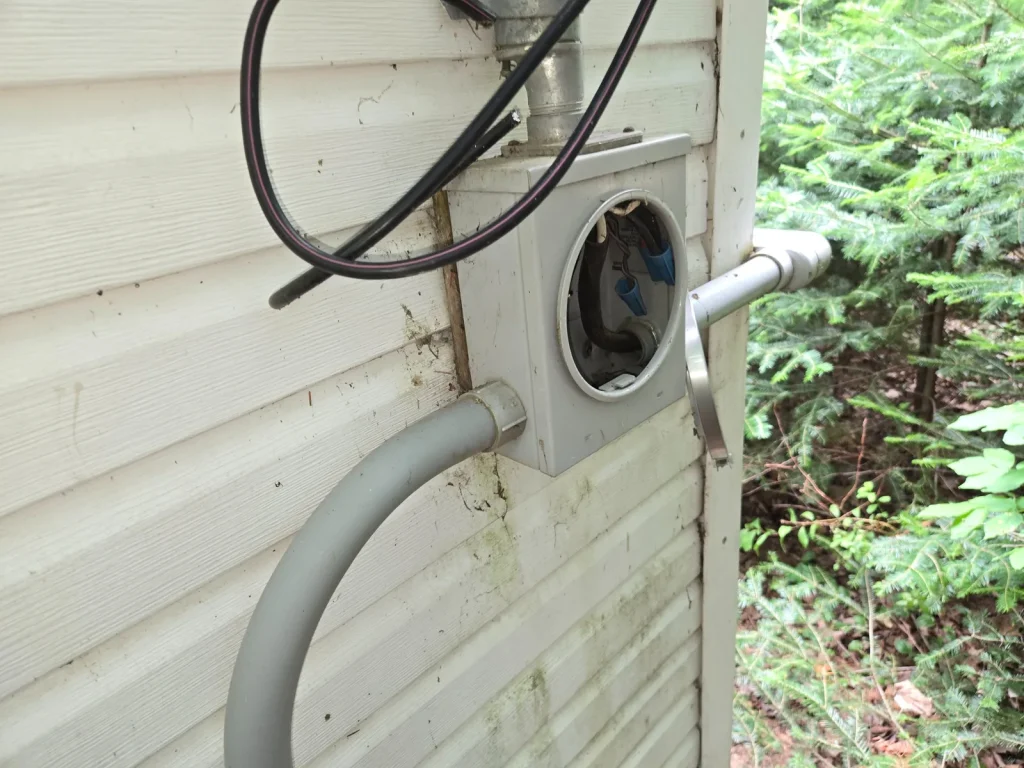
Field Example: Accessible Panel Conditions
The electrical panel often provides useful information about the age, maintenance and modification history of the electrical system. Visible conditions are documented so the buyer understands which items warrant repair, monitoring or specialist review.
5. Plumbing Leaks and Aging Components
Accessible supply piping, drains, fixtures, water heating equipment and visible plumbing connections are checked for leakage, corrosion, damage, poor support and functional concerns.
Small plumbing leaks can cause significant damage when they continue unnoticed. Staining below fixtures, corrosion around valves, loose toilets, slow drainage and deteriorated sealants are examples of conditions that may require maintenance or repair.
6. Attic Insulation, Ventilation and Moisture
The attic can reveal important information about heat loss, air leakage, roof ventilation and moisture performance. Accessible insulation, ventilation openings, roof sheathing and visible framing are reviewed where conditions permit.
Common findings include uneven or disturbed insulation, blocked ventilation, bathroom exhaust ducts that do not terminate properly, air leakage around attic penetrations and staining on roof sheathing. These conditions may affect energy performance and moisture control.
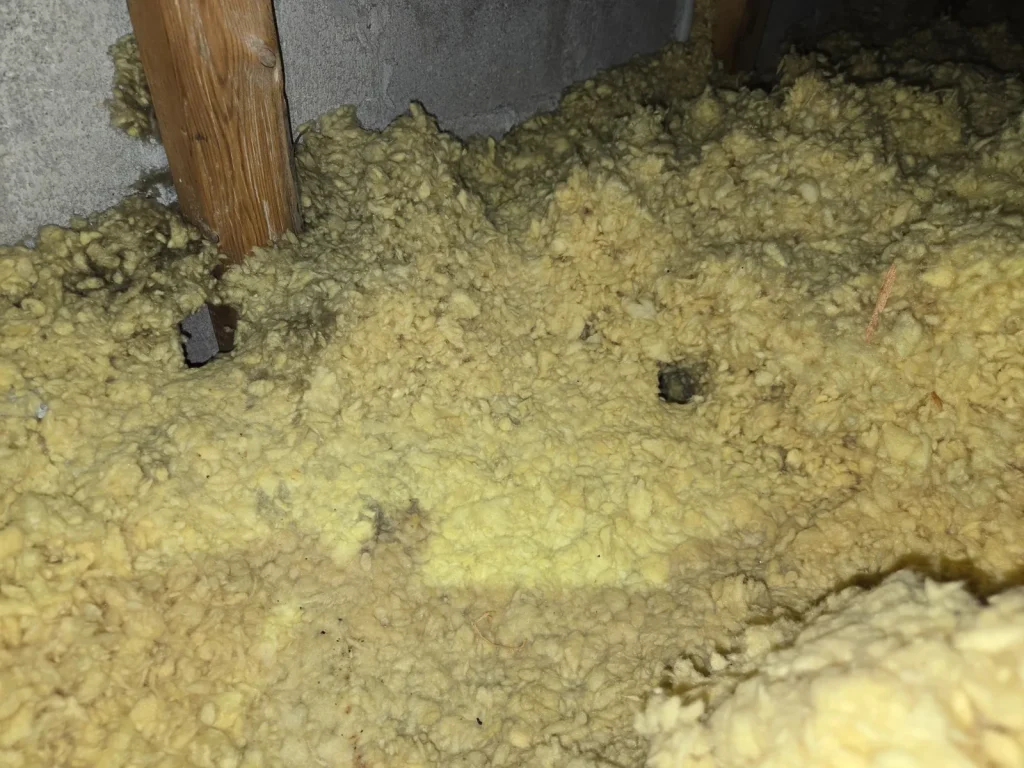
Field Example: Insulation Coverage
Loose-fill insulation may appear substantial in the centre of an attic while coverage is reduced near eaves, access hatches or areas disturbed by previous work. The overall installation should be considered rather than relying on one measurement.
7. Heating and Cooling System Concerns
Heating and cooling equipment is reviewed for visible condition, installation concerns and basic operation when weather and system controls permit. Distribution components, filters, accessible venting and condensate management are also considered.
Age alone does not determine whether equipment is defective, but older systems can require more maintenance and may be approaching a point where replacement should be included in future budgeting. Service history and specialist maintenance can provide additional information.
8. Air Leakage and Thermal Anomalies
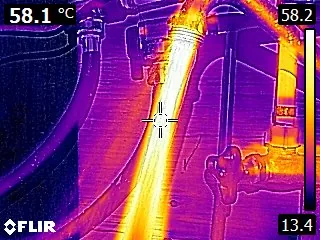
Air leakage around windows, doors, attic access points and other exterior penetrations can contribute to drafts, discomfort and heat loss. Visual observations are often combined with building-science knowledge and, when appropriate, infrared thermal imaging.
Thermal imaging does not see through walls and does not prove that moisture is present. It identifies surface temperature patterns that can help direct closer visual inspection or moisture testing when the surrounding conditions support further investigation.
Field Example: Cooler Pattern Near an Exterior Opening
A cooler infrared pattern near an exterior door or window may be associated with air leakage, insulation differences, exterior temperature influence or moisture. The thermal image must always be interpreted together with visible conditions and other inspection findings.
9. Exterior Grading and Drainage
Water management begins outside. The ground around the home, roof drainage system, paved surfaces, window wells and other exterior features should help direct water away from the foundation.
Low areas beside the building, soil sloping toward the foundation, short downspout extensions and poorly drained window wells can increase moisture pressure around the foundation. Correcting exterior drainage is often an important part of reducing future basement moisture risk.
10. Deck, Stair and Guard Conditions
Exterior decks, stairs, guards and handrails are exposed to weather, movement and repeated use. The inspection reviews visible structural support, connections, deterioration and safety-related conditions from accessible areas.
Common concerns include deteriorated wood, loose guards, missing handrails, uneven steps, inadequate connections and poor drainage around supporting posts. Repairs should address both the visible defect and the reason the condition developed.
What a Standard Home Inspection Cannot See: The Sewer Line
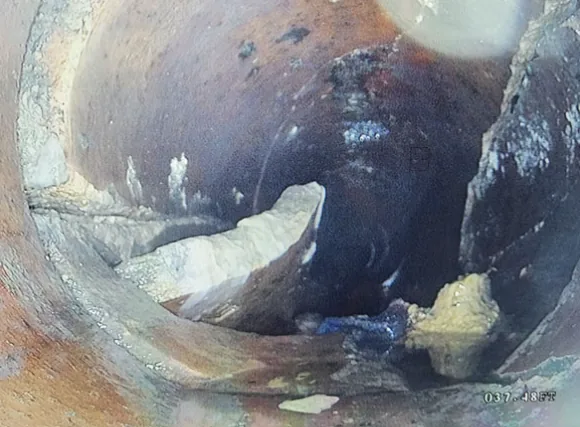
The buried sewer lateral is generally not visible during a standard home inspection. Older piping, root intrusion, displacement, heavy buildup and damaged sections may exist underground without obvious symptoms inside the home.
A separate sewer camera inspection can provide additional information about the visible interior condition of an accessible drain line. It is a specialized service and should not be confused with the standard visual home inspection.
Field Example: Root Intrusion
Root intrusion can sometimes be visible during a sewer camera inspection where joints or damaged areas allow roots to enter the line. The significance depends on the location, extent and condition of the piping.
Are These Problems Always Serious?
No. A home inspection frequently identifies a mixture of routine maintenance, aging components, minor repairs and conditions that deserve more immediate attention. The value of the inspection is the context: where the problem is located, how extensive it appears, what other evidence is present and what the reasonable next step may be.
The inspection report should help a buyer distinguish between normal ownership responsibilities and conditions that may justify repair estimates, specialist evaluation or additional investigation before making important decisions.
What Should a Buyer Do After the Inspection?
- Review the complete report rather than focusing only on the longest list of defects.
- Prioritize active moisture, safety concerns and items that can cause further damage if left unresolved.
- Obtain specialist evaluation or repair estimates when the report recommends additional investigation.
- Use the report as a maintenance reference after taking ownership of the property.
Related Inspec-Pro Resources
- Ottawa home inspection services
- What does a home inspector check in an Ottawa home?
- Pre-purchase home inspection
- Thermographic inspection
- Sewer camera inspection
- Request an inspection quote
Inspec-Pro provides residential home inspections across Ottawa, Gatineau and the Outaouais with digital reporting, practical recommendations and thermal imaging when appropriate. The goal is to give buyers clear information about the visible condition of the property so they can make informed decisions.