Common Problems Found During Home Inspections in Ottawa, Gatineau and Outaouais
Every home is different, but certain conditions appear regularly during residential inspections. Ottawa, Gatineau and the Outaouais include everything from older urban properties and renovated homes to newer construction and rural properties, so the type and significance of inspection findings can vary considerably.
A professional pre-purchase home inspection helps buyers better understand the visible condition of a property before completing their purchase. The following are ten common types of concerns that may be identified during a home inspection.
1. Roofing Deficiencies
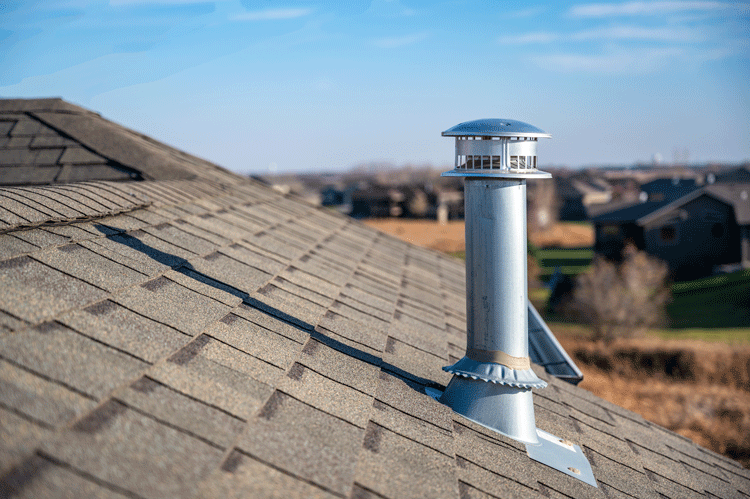
Roofing concerns can include deteriorated or damaged shingles, granular loss, exposed fasteners, deteriorated flashing, previous repairs and drainage problems. Roof penetrations, valleys, transitions and areas around chimneys or vents may also show signs of deterioration or previous leakage.
The significance depends on the condition observed. Some findings may require routine maintenance, while others may warrant repair or further evaluation by a qualified roofing contractor. Interior and attic areas are also inspected, where accessible, for visible evidence that may be associated with past or active moisture intrusion.
2. Foundation Cracks and Visible Structural Concerns
Foundation cracks are relatively common and do not automatically indicate a major structural problem. Their location, orientation, width and surrounding conditions can help determine whether additional investigation may be appropriate.
Inspectors may also observe signs such as displacement, moisture entry, deteriorated masonry or unusual movement in visible structural components. When conditions suggest potentially significant movement or when the cause cannot be determined during a visual inspection, further evaluation by an appropriate qualified professional may be recommended.
3. Moisture and Water Intrusion
Moisture is one of the more important conditions to identify because prolonged water entry can contribute to deterioration of building materials and conditions favourable to mould growth.
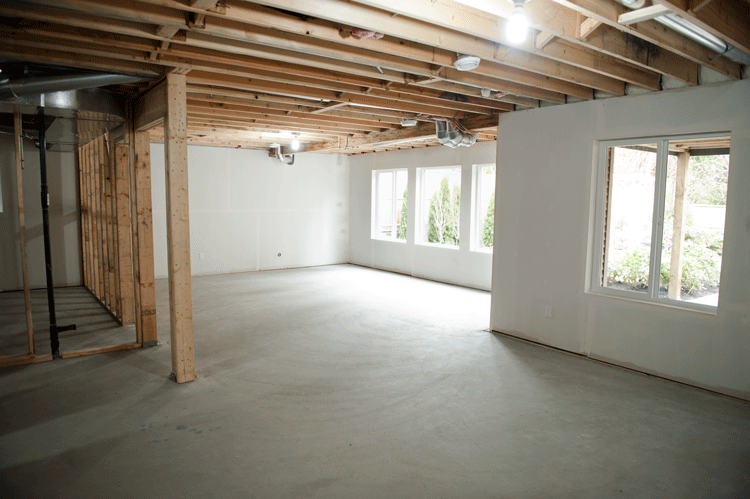
Common observations include basement moisture, staining, plumbing leakage, deteriorated sealants, roof leakage, condensation and evidence of previous water entry. The source is not always visible during an inspection, particularly when finishes conceal building components.
Where appropriate, thermal imaging and moisture measurements can provide additional information when investigating suspected moisture conditions.
4. Electrical Safety Concerns
Electrical findings can range from relatively straightforward repairs to conditions requiring prompt evaluation. Examples may include damaged or improperly installed receptacles, missing or ineffective GFCI protection, open electrical boxes, improper panel connections, deteriorated components or older wiring systems.
A home inspection is not an exhaustive electrical inspection. When significant concerns are identified, evaluation and repairs by a qualified electrical contractor may be recommended.
5. Plumbing Defects
Common plumbing findings include leaking fixtures, deteriorated supply or drain components, improper drainage arrangements, loose fixtures and evidence of previous leakage.
Inspectors also examine visible and accessible plumbing components for signs of deterioration and functional concerns. Concealed piping within walls, ceilings, floors and underground cannot normally be evaluated during a visual, non-invasive inspection.
6. Attic Ventilation and Moisture Problems
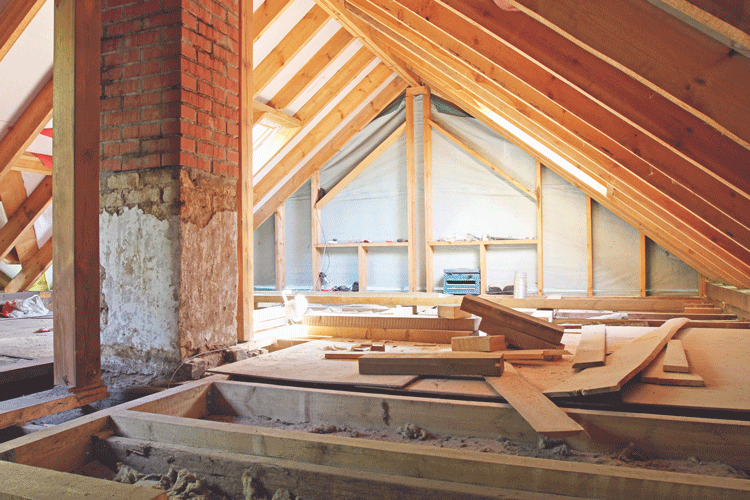
The attic can provide important information about the performance of the roof and building envelope. Common observations include inadequate ventilation, blocked vents, localized staining, condensation, displaced insulation and improperly terminated exhaust ducts.
Excessive attic moisture can contribute to deterioration of roof sheathing and other materials. Bathroom and other exhaust systems should discharge appropriately to the exterior rather than releasing moisture into the attic.
7. Heating and Cooling System Concerns
Heating and cooling equipment may show evidence of deferred maintenance, deterioration, improper installation or components approaching the later stages of their expected useful life.
The inspection considers visible and accessible components and normal operating characteristics at the time of the inspection. It does not predict exactly when equipment will fail. Regular servicing and further evaluation may be recommended when conditions warrant it.
8. Insulation and Air Leakage Concerns
Attic insulation may be uneven, displaced, compressed or below current expectations for energy performance. Air leakage around attic penetrations and other building-envelope areas can also affect comfort and energy efficiency.
Insulation levels alone do not tell the entire story. Ventilation, air sealing, moisture management and the overall construction of the building envelope all influence performance.
9. Exterior Drainage and Grading Concerns
Managing water around a foundation is an important part of protecting a home. Poor grading, short downspout extensions, damaged gutters and drainage patterns that direct water toward the building can increase the potential for foundation and basement moisture concerns.
Exterior drainage conditions can also change seasonally. Snow cover, frozen ground and weather conditions may limit what can be observed during an inspection.
10. Deck, Guardrail and Stair Safety Concerns
Exterior decks, stairs and guardrails are exposed to weather and can deteriorate over time. Common observations include loose or deteriorated components, inadequate connections, unstable guards or handrails, damaged stairs and deterioration at structural connections.
These components should remain secure and serviceable because deficiencies can affect occupant safety. Significant deterioration or questionable structural conditions may warrant repair or further evaluation by an appropriate qualified contractor.
Are These Problems Always Serious?
No. A home inspection commonly identifies a combination of maintenance items, minor deficiencies and concerns that deserve greater attention. Finding defects does not automatically mean that a property is a poor purchase.
The purpose of the inspection is to provide objective information about visible conditions so the buyer can better understand the property and determine which items may require maintenance, repair, monitoring or further professional evaluation.
Home Inspections in Ottawa, Gatineau and the Outaouais
Different properties present different inspection considerations. Older homes may contain aging systems and renovations completed over several decades, while newer homes can still have installation deficiencies or incomplete work. Rural properties may also include wells, septic systems, outbuildings and other components requiring additional consideration.
Inspec-Pro Home Inspections provides professional residential inspections throughout Ottawa, Gatineau and the Outaouais.
Homeowners preparing to sell can also learn more about our pre-listing home inspection services.
Need a Home Inspection Quote?
If you are purchasing a property and would like pricing or availability, request an inspection quote from Inspec-Pro Home Inspections.