
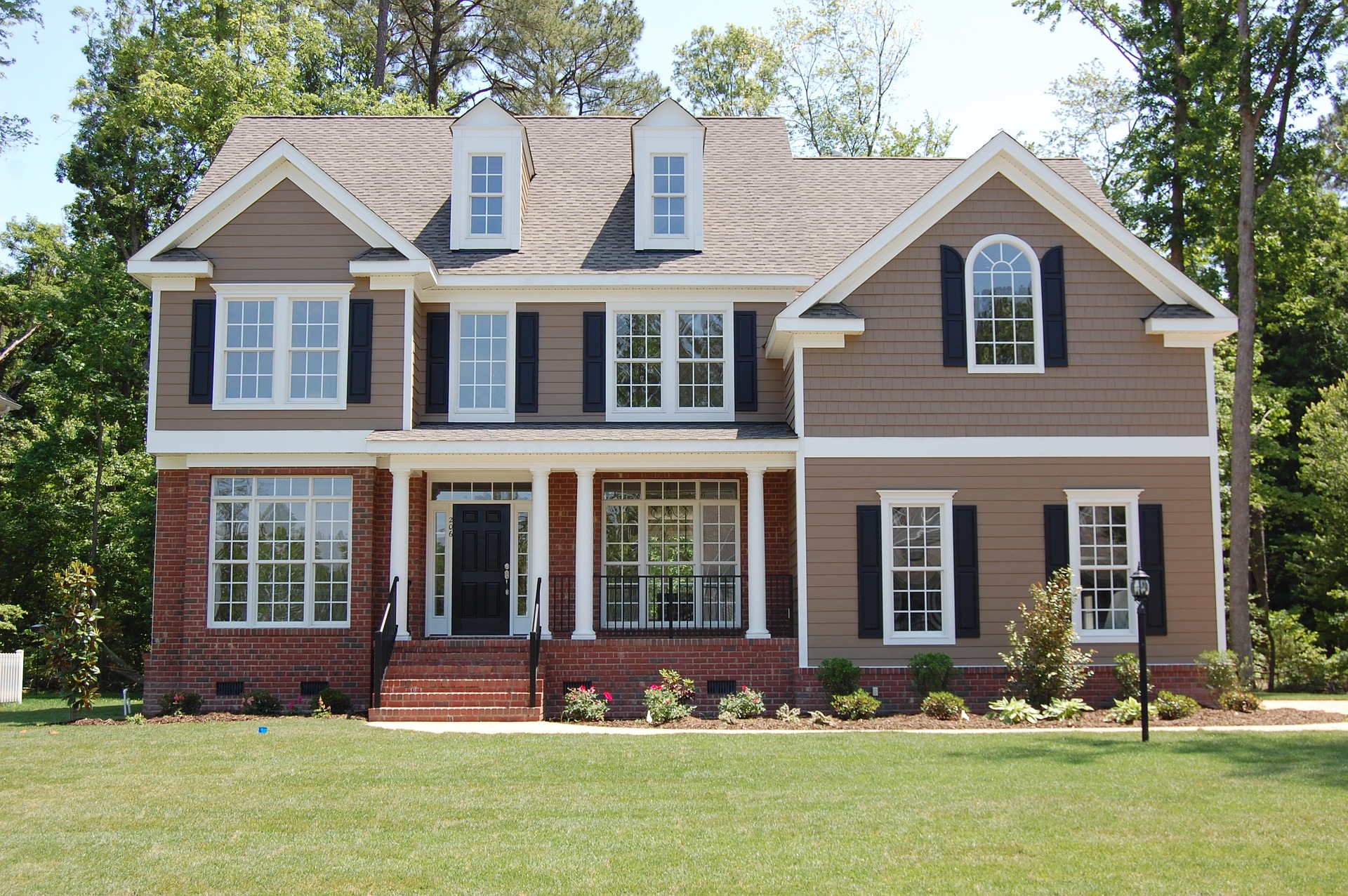
In a competitive real estate market, buyers may feel pressured to submit an offer without a home inspection condition. Although removing conditions can make an offer appear more attractive, waiving a professional home inspection can expose the buyer to significant and unexpected repair costs.
A home may appear well maintained during a viewing while still containing roofing deterioration, moisture problems, unsafe electrical conditions, plumbing concerns, foundation movement or aging mechanical equipment. Many of these conditions are difficult to recognize without sufficient time, experience and inspection tools.
What Does It Mean to Waive a Home Inspection?
Waiving a home inspection generally means purchasing the property without making the offer conditional upon the results of a professional inspection.
Once the transaction becomes firm, the buyer may have limited ability to renegotiate the price or require repairs based on conditions discovered afterward. The buyer may therefore become responsible for defects, deferred maintenance and major system replacements that were not understood before the purchase.
Why Buyers Sometimes Consider Waiving the Inspection
Buyers may consider removing the inspection condition when:
- Several offers are expected on the property.
- The seller prefers an offer with fewer conditions.
- The buyer believes the home appears recently renovated.
- A previous inspection report has been provided by the seller.
- The buyer is concerned about losing the property.
- The offer deadline provides limited time to arrange an inspection.
These pressures are understandable, but the financial consequences of purchasing an inadequately assessed property can be substantial.
Common Problems That May Not Be Obvious During a Viewing
A typical property viewing is brief and is not intended to provide enough time to evaluate all accessible systems and components. Furniture, stored belongings, finishes and recent cosmetic improvements can also conceal important conditions.
Common concerns discovered during home inspections include:
- Aging or deteriorated roof coverings.
- Evidence of active or previous water penetration.
- Foundation cracking or visible structural movement.
- Unsafe or outdated electrical installations.
- Plumbing leakage and improper drainage arrangements.
- Attic insulation and ventilation deficiencies.
- Heating and cooling equipment near the end of its useful life.
- Poor exterior grading and drainage near the foundation.
- Damaged garage fire separation.
- Unprofessional renovations or additions.
Moisture and Water Intrusion Risks
Moisture-related problems are among the most important conditions evaluated during a home inspection. Water can enter through the roofing system, foundation, exterior walls, windows, plumbing components and poorly managed surface drainage.
Visible staining may be dry at the time of the inspection but can still indicate a history of leakage. Where appropriate, an inspector may use a moisture meter or thermal imaging equipment to help evaluate accessible areas. These tools support the visual inspection but do not guarantee that all concealed moisture will be identified.
Unaddressed water intrusion can contribute to material deterioration, mould growth, damaged finishes and costly repairs.
Electrical Safety Concerns
Electrical deficiencies may not be visible during a normal property viewing. An inspection may identify conditions such as:
- Double-tapped breakers.
- Open electrical panel knockouts.
- Reversed polarity at receptacles.
- Missing or non-functional GFCI protection.
- Improper wiring modifications.
- Damaged receptacles and switches.
- Aging electrical panels or distribution equipment.
Electrical concerns should be evaluated and corrected by a qualified electrician where recommended.
Roofing and Exterior Concerns
A roofing system may appear acceptable from ground level while containing granular loss, damaged shingles, deteriorated flashing, exposed materials or soft areas near penetrations.
Exterior drainage is also important. Missing gutters, downspouts discharging near the foundation, poor grading and damaged sealants can increase the risk of basement or crawlspace moisture.
Roofing and drainage repairs can become expensive, particularly when water penetration has already affected concealed materials.
Heating, Cooling and Plumbing Systems
Mechanical systems may operate during a brief viewing but still show signs of deferred maintenance, improper installation or advanced age.
A home inspection may identify leaking plumbing fixtures, damaged drainage components, disconnected ductwork, dirty cooling equipment, inadequate clearances or heating systems approaching the end of their expected service life.
An inspection does not guarantee future performance, but it can provide useful information about visible conditions and potential upcoming expenses.
Older and Renovated Homes Require Additional Context
Ottawa, Gatineau and the Outaouais region contain century homes, post-war construction, rural properties, additions and extensively renovated buildings.
Older homes may contain legacy wiring, aging plumbing, older insulation materials and construction methods that differ from modern practices. Renovated properties may also include concealed or incomplete work that cannot be fully assessed during a visual inspection.
These conditions are not automatically failures, but buyers should understand them before finalizing the purchase.
Does a Seller’s Inspection Report Replace a Buyer’s Inspection?
A seller may provide a pre-listing inspection report to prospective buyers. This can be useful and may help explain the property’s condition.
However, the buyer should review the report carefully, confirm when it was completed and understand its limitations. Property conditions can change, and the buyer may still prefer to retain an independent inspector who is working directly for them.
Possible Alternatives When Offer Deadlines Are Tight
When a traditional inspection condition is difficult to include, buyers can discuss possible alternatives with their real estate representative and legal adviser.
Depending on the circumstances, possible options may include:
- Arranging a pre-offer inspection before submitting the offer.
- Requesting access to a recent seller inspection report.
- Including a shortened inspection condition.
- Requesting additional property documentation.
- Reviewing permits, invoices and renovation records.
- Maintaining a financial reserve for unexpected repairs.
No alternative provides the same level of information as a complete inspection performed with sufficient time and access.
Protect Your Investment Before Purchasing
A home inspection is not a warranty and cannot identify every concealed defect. It is a professional visual assessment of accessible systems and components at the time of the inspection.
The objective is to help the buyer understand the property, identify significant visible concerns and make a more informed purchasing decision.
Inspec-Pro Home Inspections provides professional pre-purchase inspections throughout Ottawa, Gatineau, Outaouais and surrounding communities.
Learn more about our pre-purchase home inspection services, review a sample inspection report, or get an inspection quote for your property.
Call 819-962-5880 or email info@inspec-pro.ca.